


Meeting - Video Meeting
4.4181.00 Reviews
App Specs
- Version
- 1.4.5
- Updated On
- License
- Free
- Downloads
- 1,000,000+
- Developer
- array infotech
- Categories
- Communication
- Platform
- Android
Screenshots

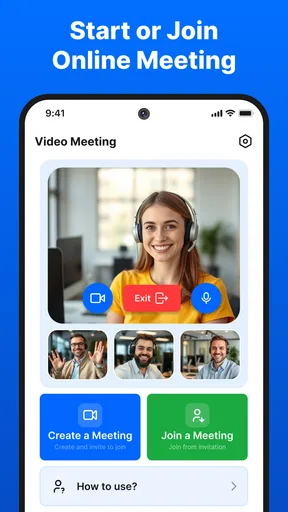
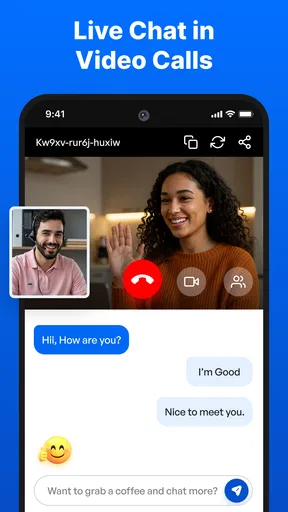



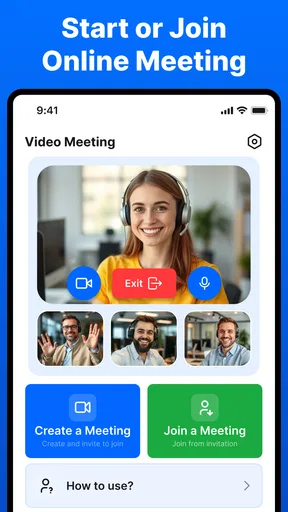

 Analysis by AppCompare
I usually judge a meeting app by what happens before the call even begins: can I get everyone into the same conversation without turning a simple catch-up into a setup project? Meeting - Video Meeting is a communication app from array infotech, and its appeal is straightforward: it is made for online meetings and private conferences, with audio and video as the central experience. I’d consider it when I want a dedicated place for a face-to-face conversation rather than another stream of chat messages.
A practical way to decide if it fits
The app is free, has an Everyone age rating, and has reached over a million installs. Its average rating is 4.4 from around 15,000 ratings, which suggests plenty of people have tried it, though a rating alone cannot tell me whether it suits my particular group. It was released on August 13, 2025, and version 1.4.2 is the current release. The minimum OS is 8.0, so I’d check compatibility on the device I plan to use before asking a group to join.
That basic profile makes it worth considering for casual calls, family conversations, or small groups that want a meeting-focused app without paying to get started. I would not choose a communication app solely because it is free, though. The more important question is whether the people I need to meet can install it and whether its actual meeting flow matches how we communicate. If everyone already uses another service comfortably, asking them to switch may create more friction than value.
Making meetings easier to run
I approach a meeting app as part of a routine, not a one-tap fix: the group needs a clear reason to meet, an easy way to join, and a plan for what happens afterward. In this section, I focus on the small habits that can make a video call feel purposeful rather than improvised, before turning to the settings and repeatable shortcuts that help keep that routine smooth.
Getting Started with Ease
First things first, downloading and setting up Meeting - Video Meeting is a breeze. Available on both Android and iOS, you can easily grab it from your respective app store. Once installed, you’re greeted with a slick, user-friendly interface that doesn’t overwhelm you with unnecessary clutter. Trust me, even if you’re not the most tech-savvy person, you’ll find your way around in no time.
Build a calm pre-call routine
I find that a little preparation matters more than tapping through screens at the last minute. Before a recurring call, I’d decide who is expected, agree on where the invite or joining details will be shared, and set a clear start time. For a one-off conversation, I’d send the joining instructions with the purpose of the call in the same message. That small habit helps people arrive ready instead of using the opening minutes to ask what the meeting is about.
It is also sensible to check the device you intend to use before a call that matters. A phone may be convenient while travelling around the house, while a larger screen can make it easier to follow a group conversation. I would keep the device steady, choose a spot where I can hear clearly, and avoid beginning a call while I am still switching between rooms or searching for accessories. These are ordinary precautions, but they make a meeting app feel much more dependable in practice.
Worth Reading Before You Choose

EA SPORTS FC Mobile 26 Is a Bigger Football Game, but It Takes Time

Flipboard Shows What News Apps Must Do Beyond the Feed

Switching to Android Auto Means Rethinking Your Driving Routine

Google Calendar Makes a Crowded Week Easier to Manage

Ludo King Makes the Most of the Minutes Between Plans

Baby Panda World Brings Quick Play to Modern Phones, but Its Game Library Feels Busy
Features That Stand Out
Now, onto the fun part – the features. This app doesn’t just do the basics; it goes above and beyond to ensure your meetings are smooth and efficient. You know those awkward moments when someone’s audio is out of sync, or the video lags? Not here. The app offers high-definition video and crystal-clear audio, making every interaction feel almost like you’re in the same room.
One feature I absolutely love is the screen sharing option. Whether you’re giving a presentation or just showing off some vacation photos, it works flawlessly. Plus, the app allows for easy collaboration with built-in tools like whiteboards and document sharing. It’s like having a Swiss army knife for meetings.
Settings and small choices that help
For any video-call app, I like to make a quick preflight check rather than assume every device is ready. I’d confirm that the audio source is the one I mean to use, make sure the camera view is appropriate, and check the volume before inviting others into a discussion. Those are practical checks, not special features, and they prevent the familiar problem of spending the first few minutes troubleshooting in front of everyone.
Screen sharing is most useful when I give the group a clear destination: a particular page, image, or document that I want them to look at. I’d close unrelated material first and keep the shared content ready before starting, especially if it contains personal notifications or other private information. A whiteboard or shared document can support a discussion, but I would not treat either as a substitute for agreeing who is recording decisions or sending a follow-up afterward.
A realistic everyday call
Imagine I’m helping a relative understand a form. I can arrange a short meeting, explain the goal in advance, and share the relevant page rather than trying to describe every button over the phone. If the conversation turns into a quick plan, a collaborative surface may help us point to the same item and settle the next step. When we finish, I can send a concise recap through the channel we already use. The value here is not a magical workflow; it is combining video with a specific task so the call has a useful shape.
The same approach works for a tutor reviewing a page with a learner or a volunteer group checking a draft together. It is less suited to an urgent message that needs only a sentence, where a text or voice note is quicker, or to a large public event where formal audience controls and presentation management are essential. I’d choose the format according to the job rather than defaulting to a video call for everything.
Security and Privacy
In this digital age, security is a big deal, right? Meeting - Video Meeting takes this seriously. With end-to-end encryption, you can be sure that your conversations are secure and private. This is a huge relief, especially when discussing sensitive topics. You can lock your meetings with passwords, and there’s a waiting room feature to control who joins your calls. It’s nice to know that security hasn’t been overlooked.
Use access controls with care
When a conversation should be limited to invited people, access controls are only helpful if the host uses them deliberately. I’d share joining details privately, use a password when appropriate, and pay attention to who is waiting before admitting anyone. For a relaxed family call, that may feel like an unnecessary extra step; for a work discussion or a meeting involving personal matters, it is a reasonable habit. I would still avoid sharing information that does not need to be discussed on a call.
There is a practical trade-off: stronger entry checks can reduce the chance of an unexpected person joining, but they can also slow down a group if the instructions are unclear. I’d send the password or joining guidance through a suitable private channel and give guests a simple explanation of what to do. That keeps security from becoming a confusing obstacle for less confident participants.
Connectivity and Performance
We’ve all been there – a meeting starts, and suddenly, your connection drops. Frustrating, isn’t it? I’ve tested this app under various network conditions, and I must say, it holds up pretty well. The app is optimized to adapt to different bandwidths, ensuring you stay connected even if your Wi-Fi decides to have a bad day. It’s this reliability that sets it apart from other apps I’ve used.
What to do when a call feels rough
Even a meeting app cannot make a weak connection disappear, so I would keep a backup plan for an important conversation. If video becomes distracting, agree to continue by audio or pause while someone reconnects rather than talking over a frozen image. For a presentation, I’d also have the key points ready to explain aloud in case sharing is interrupted. That is a useful general meeting habit, not a promise that every call will be flawless.
Compared with a phone call, a video meeting gives people a shared visual space and makes it easier to discuss something on screen, but it depends more on a stable connection and a suitable device setup. Compared with a messaging app, it is better for discussion that needs immediate back-and-forth, while text is easier to scan later and less disruptive for simple updates. Against established meeting platforms, the main reason to try this one is its focused meeting purpose; I would stay with an alternative if my group already depends on its familiar invitations, account setup, or organizational tools.
User Experience and Support
Let’s talk user experience. The app’s design is intuitive, with everything just a tap away. If you ever find yourself in a pickle, the support team is responsive and helpful. There’s also a comprehensive FAQ section within the app to help troubleshoot common issues. It’s like having a personal tech assistant right at your fingertips.
Who will appreciate it—and who may not
I can see this being a sensible option for people who want to bring a small group together, share something visual, or hold private conversations without starting with a paid product. It may suit a family that has mixed levels of technical confidence, provided someone takes responsibility for sending clear joining instructions. A teacher or community organizer could also find a video meeting useful for discussion, but should first make sure the format and available controls suit the group’s needs.
I would skip it if my main requirement were asynchronous communication, detailed project tracking, or a highly structured webinar. Those are different jobs, and a meeting app should not be expected to replace a shared calendar, a task manager, or a specialized event platform. I’d also think twice about switching a whole team when its current service already works and people know how to use it. A new app is only an improvement if the people on the other end can join without unnecessary hassle.
One useful way to test the fit is to start with a low-stakes call involving one or two people. Try the basic joining flow, have one person share something, and see whether the sound and picture are comfortable on the devices everyone actually uses. That gives a better answer than judging an app from its feature names alone. If the test feels simple, then using it for a more important recurring conversation is a reasonable next step.
Language and group coordination
Oh, and did I mention the app supports a wide range of languages? It’s perfect for international teams who need to communicate without a hitch.
For a group spread across different language backgrounds, I’d still agree on a few practical conventions before the call: who will start, how people can signal they want to speak, and where any follow-up notes will go. Language support can make an app more approachable, but it does not automatically solve differences in terminology, speaking pace, or time zones. A short agenda and a patient pace often do more for a mixed group than adding extra meeting tools.
Final Thoughts
So, is Meeting - Video Meeting worth your time? Absolutely. Whether you’re a business professional, a teacher conducting online classes, or just someone who loves catching up with friends and family, this app has got you covered. Its combination of powerful features, ease of use, and top-notch security makes it a standout choice in the crowded field of video conferencing apps.
In a nutshell, if you’re searching for an app that offers reliable, high-quality video meetings with a host of useful features, give this one a try. I promise, it’ll make your virtual interactions more enjoyable and productive.
My verdict after weighing the trade-offs
My recommendation is measured: I’d try it when the goal is a straightforward, face-to-face meeting and the people involved are willing to use a dedicated app. The strongest case is a planned conversation where video, audio, and sharing something on screen all help. A casual call can be simple; a more sensitive conversation can benefit from a deliberate approach to meeting access. In both cases, clear invitations and a little preparation matter as much as the software.
I would not call it the automatic choice for every team. People who need a specific organizational workflow, prefer to keep everything inside an existing platform, or mostly exchange quick updates may be happier elsewhere. For anyone undecided, I’d begin with a short, low-pressure meeting and judge it by how easily the group gets from invitation to useful conversation. That is the test I trust most: not a long feature list, but whether everyone can take part without the app becoming the subject of the meeting.
Pros
- High-quality video resolution.
- User-friendly interface.
- Cross-platform compatibility.
- Secure end-to-end encryption.
- No time limits on calls.
Cons
- Occasional connectivity issues.
- Limited free features.
- Requires a strong internet connection.
- Battery consumption can be high.
- Initial setup can be complex.
FAQs for Meeting - Video Meeting
Is Meeting - Video Meeting free to use?
Meeting - Video Meeting offers a free version with basic features like unlimited calls and standard video quality. However, for advanced features such as high-definition video, cloud recording, and increased participant limits, users may need to subscribe to a premium plan. Always check the app's latest pricing details before downloading.
How secure is Meeting - Video Meeting?
Meeting - Video Meeting prioritizes user security with end-to-end encryption for all communications to protect your privacy. It also offers additional security features like password-protected meetings and waiting rooms. Always ensure your app is updated to the latest version to benefit from the newest security enhancements.
Can I use Meeting - Video Meeting on multiple devices?
Yes, Meeting - Video Meeting is compatible with multiple devices, including smartphones, tablets, and desktops. Users can easily switch between devices during a call and maintain connectivity. Make sure all devices have the latest app version installed for optimal performance and compatibility.
Does Meeting - Video Meeting support screen sharing?
Absolutely, Meeting - Video Meeting includes a screen sharing feature, allowing users to share presentations, documents, or their entire screen with participants. This is particularly useful for business meetings or collaborative projects. Ensure you have a stable internet connection for seamless screen sharing.
What are the internet requirements for using Meeting - Video Meeting?
For a smooth experience with Meeting - Video Meeting, a stable internet connection is essential. A minimum speed of 1.5 Mbps for both upload and download is recommended for standard video calls. For high-definition video quality, higher bandwidth may be required to avoid lag and ensure clear communication.


